Module 1 Formstorming

Weekly Activity Template

Jiarui Yao


Project 1


Module 1

I learned how different materials conduct electricity and how to use paper folding to create interactive switches, which improved my circuit building and troubleshooting skills.

Activity 1
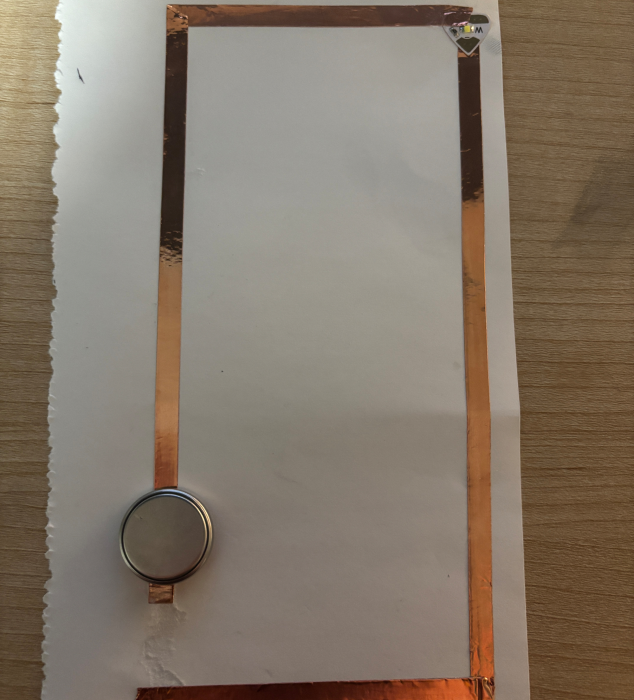
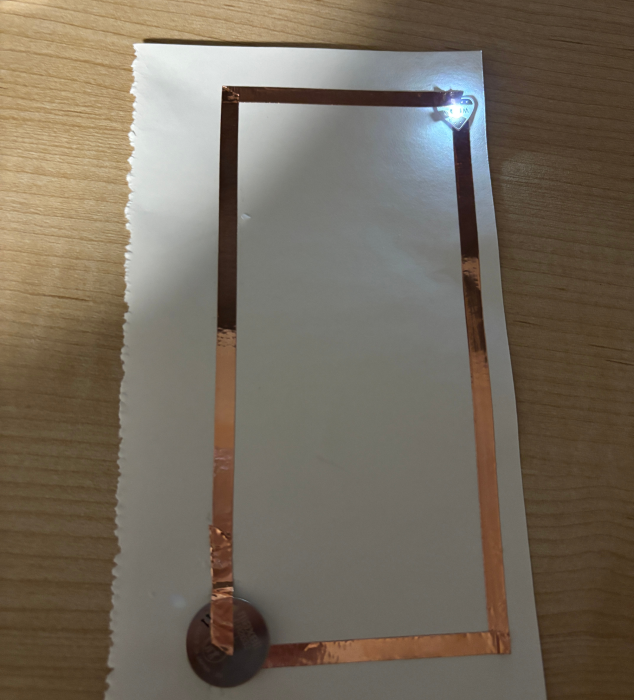
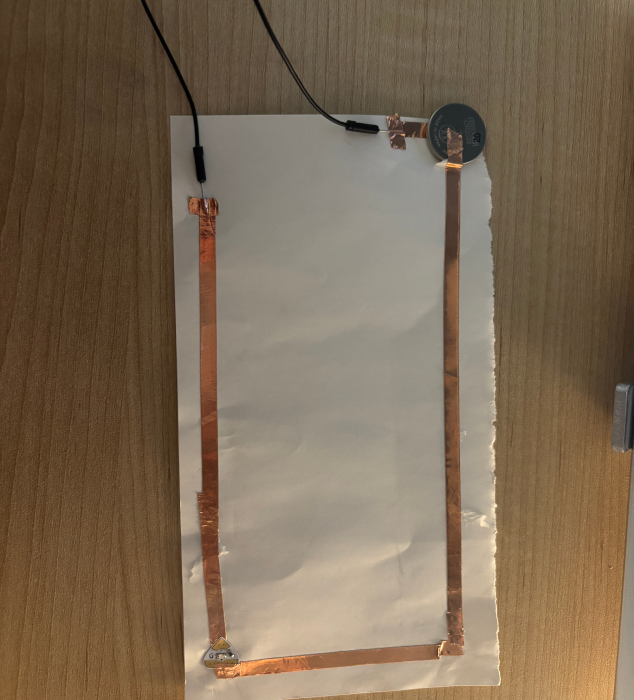
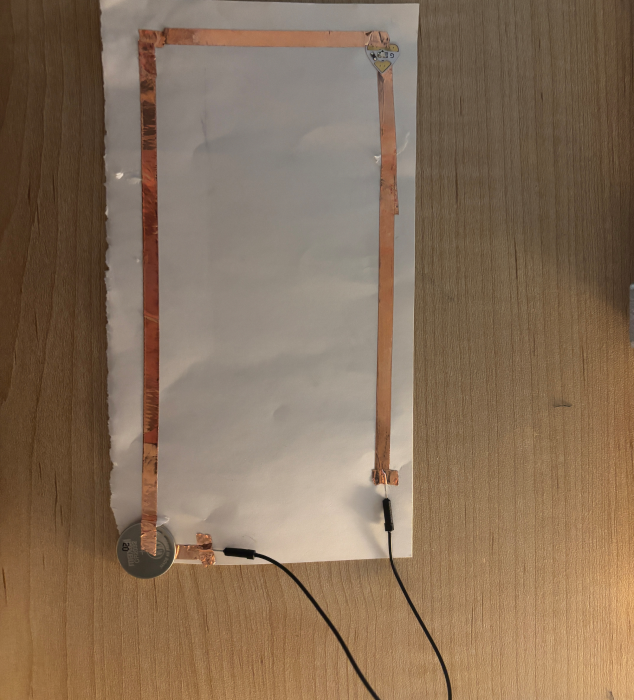
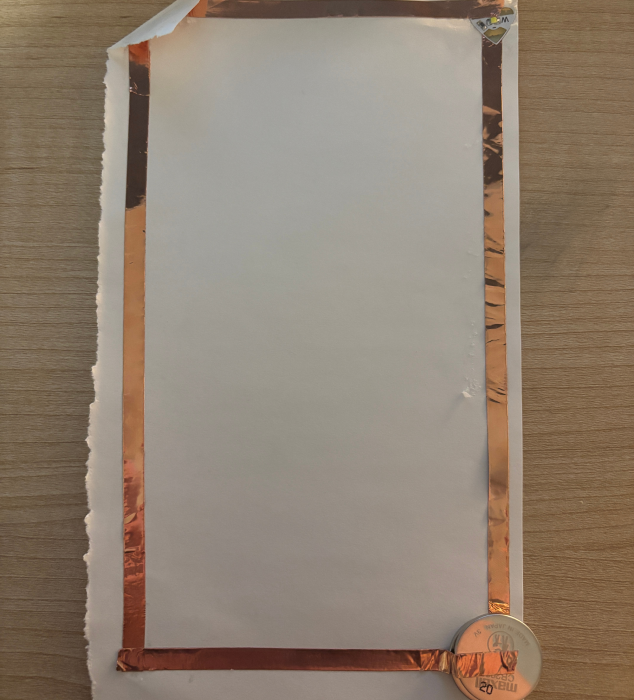
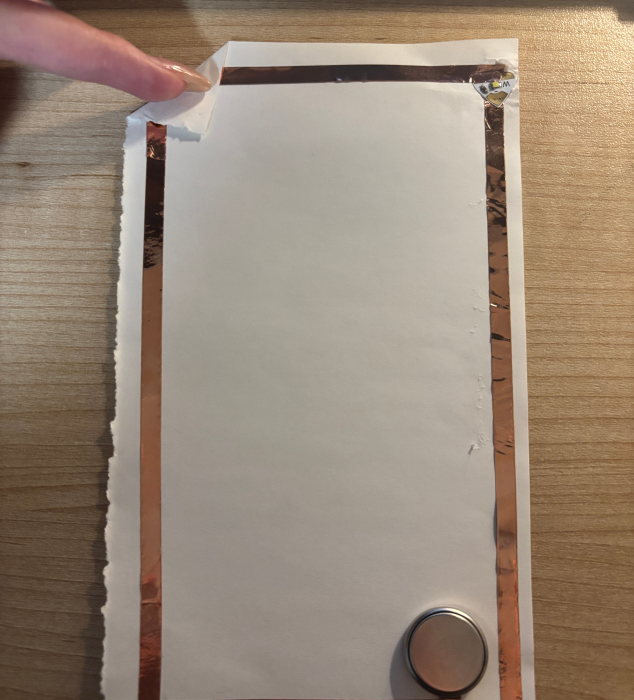
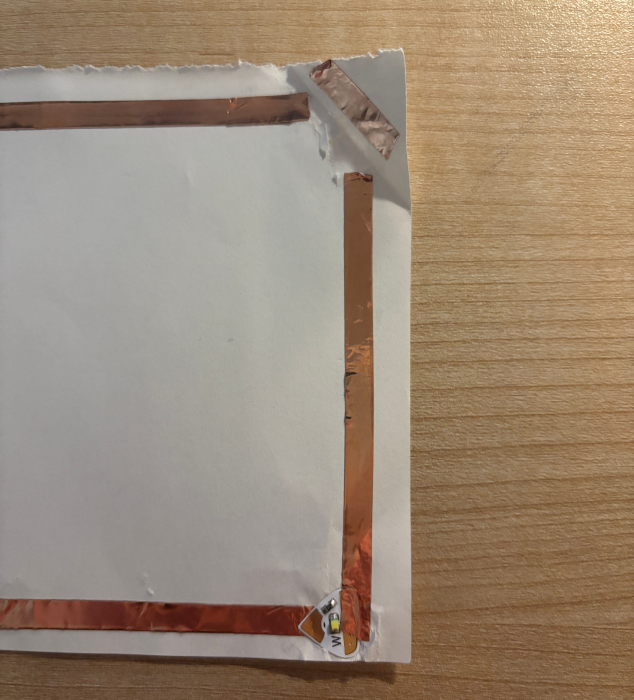
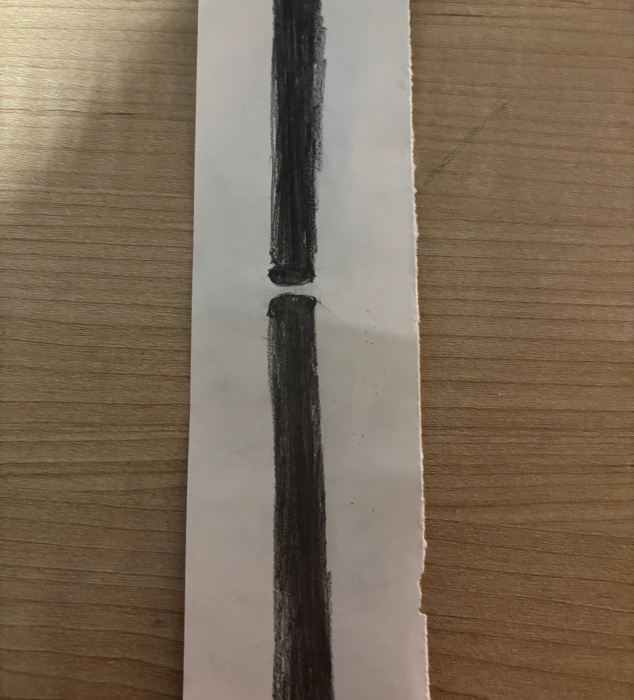
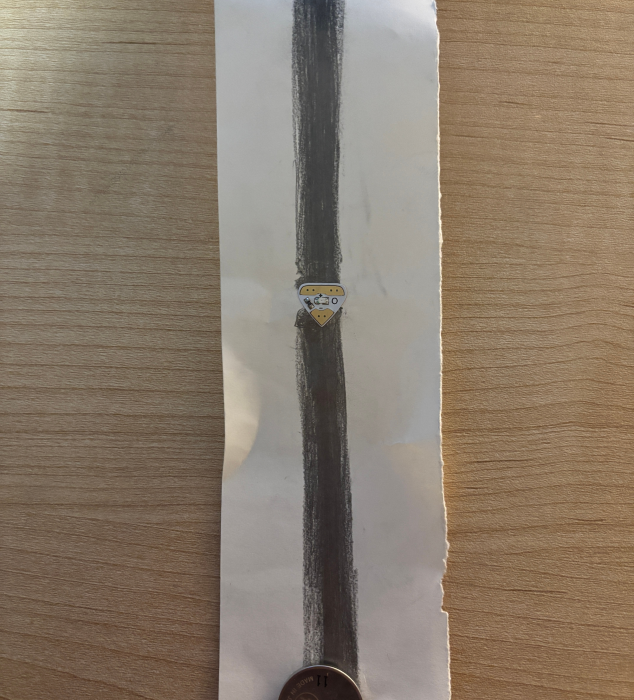
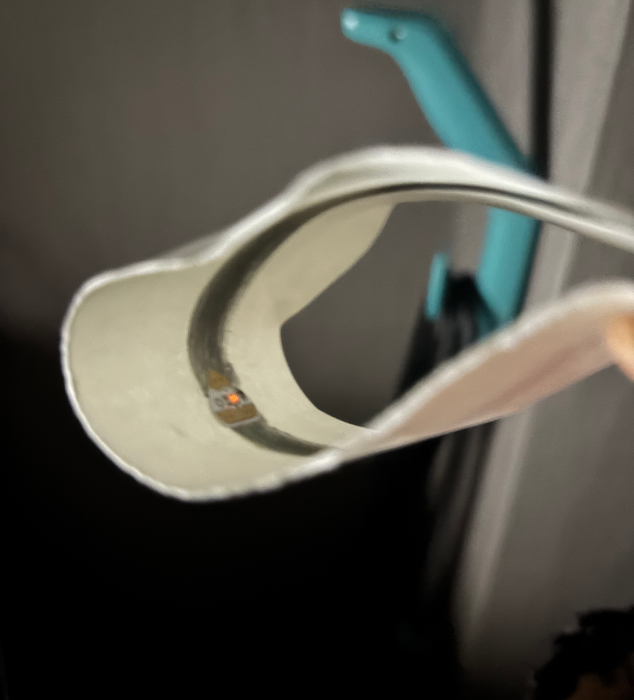
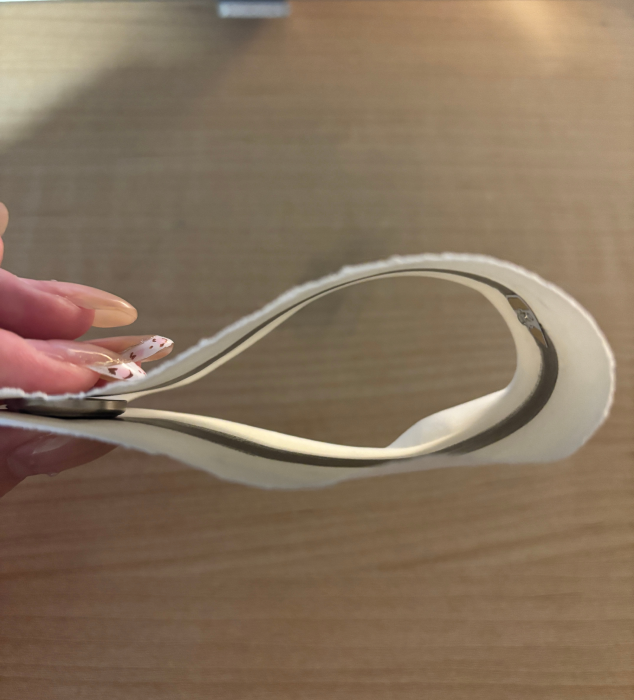
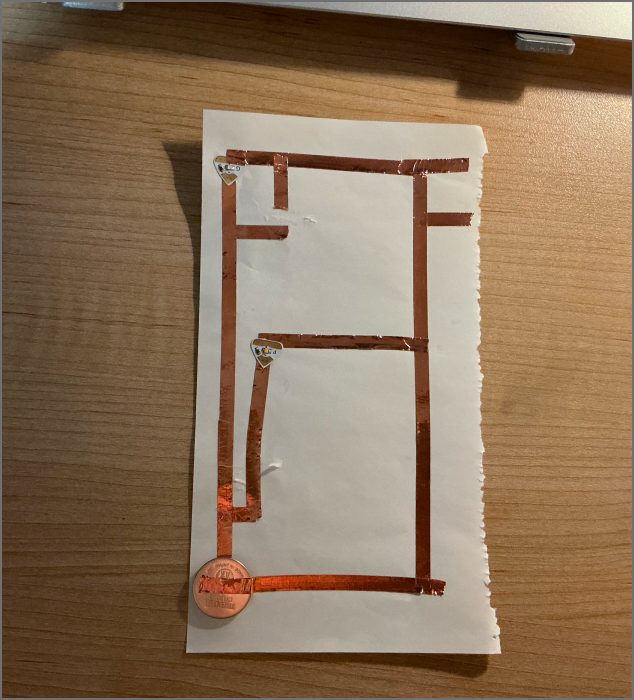
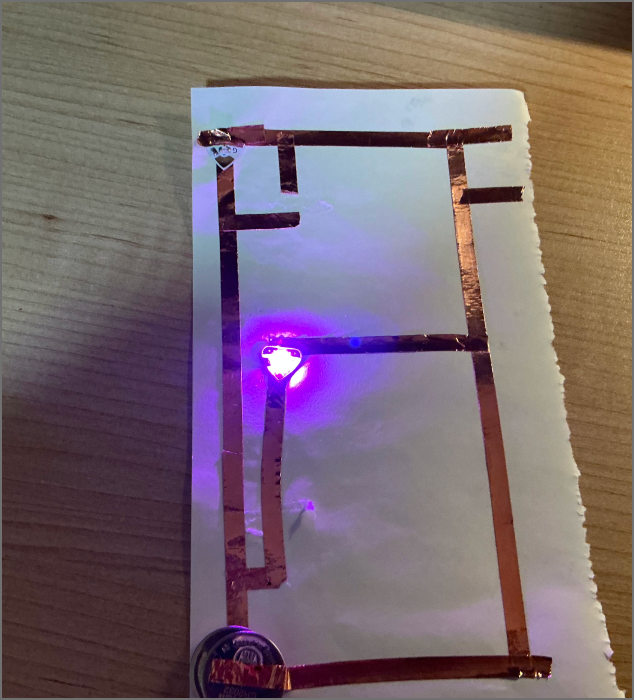
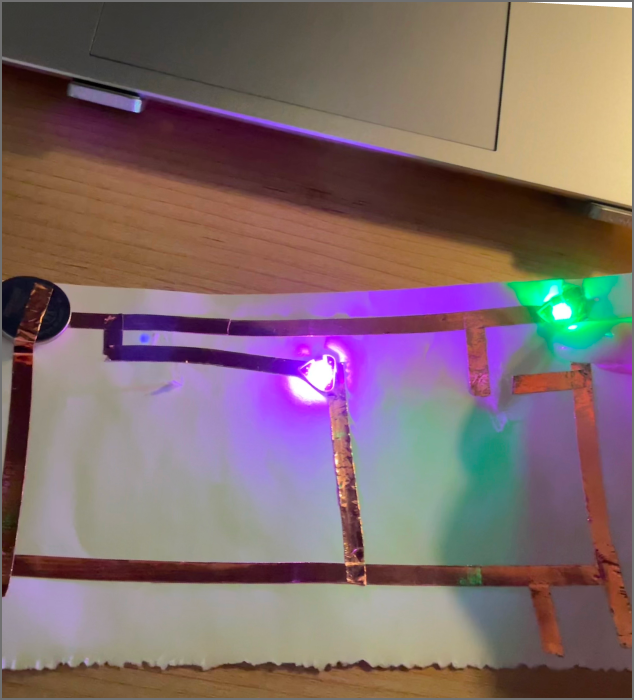
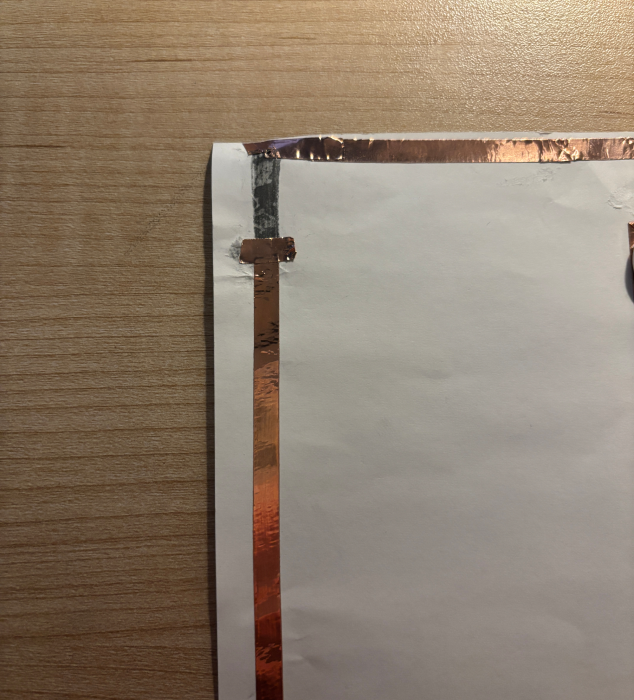
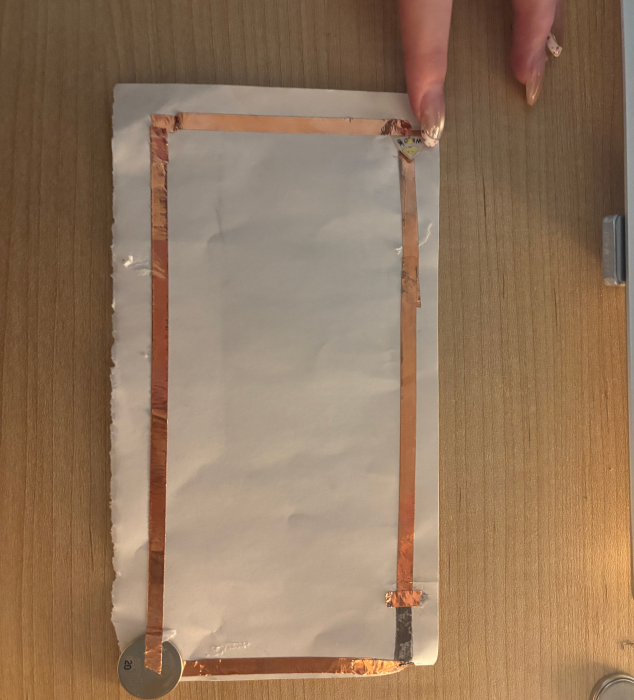
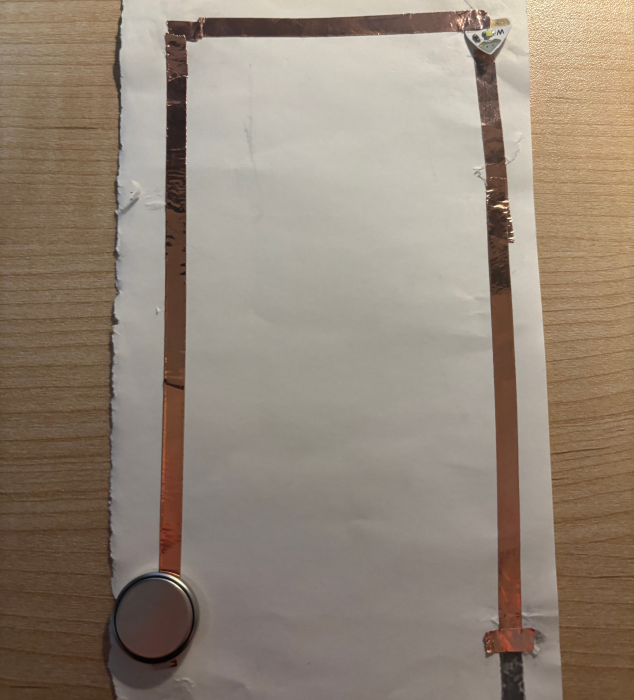
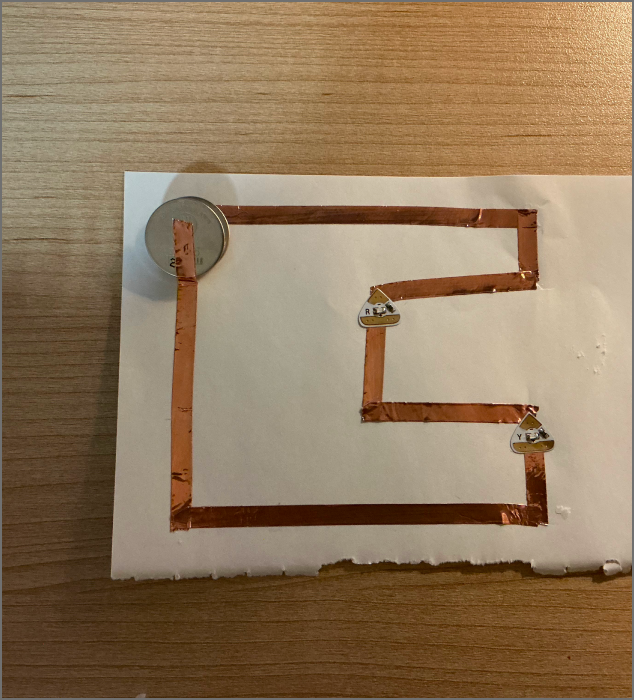
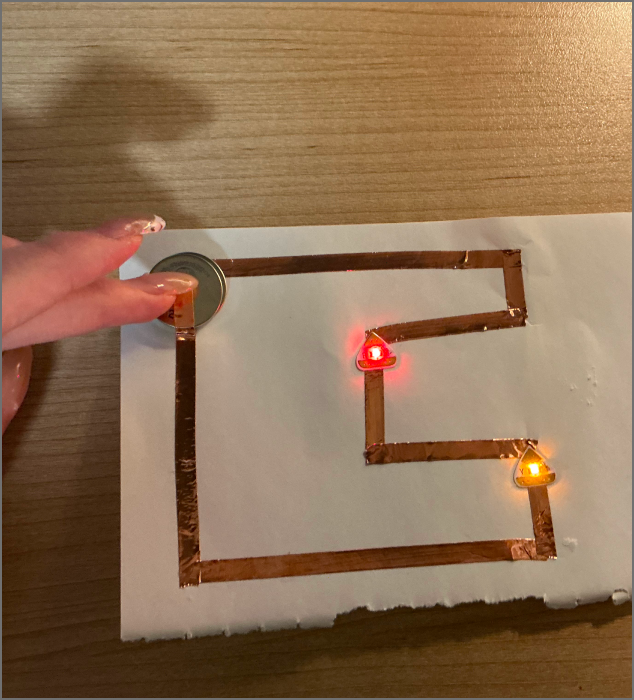
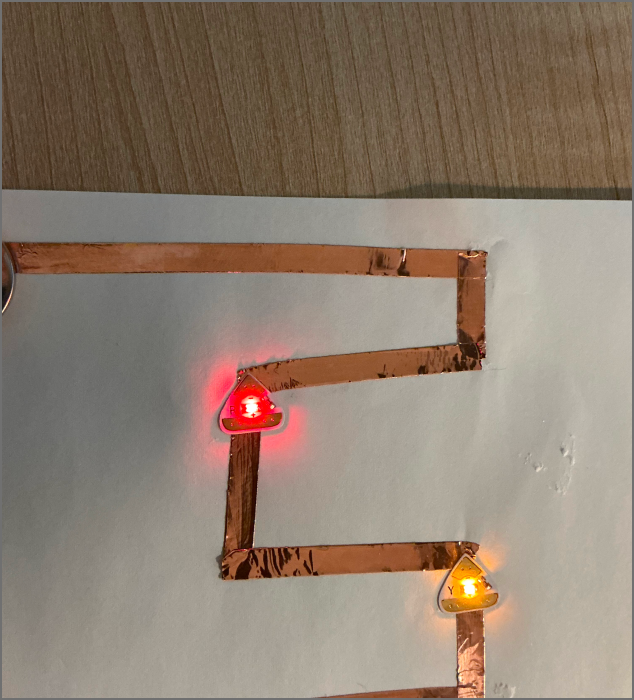
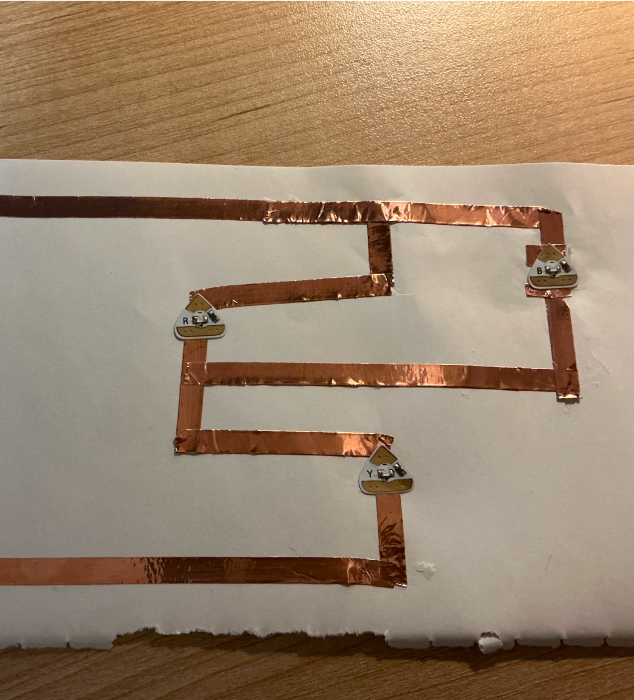
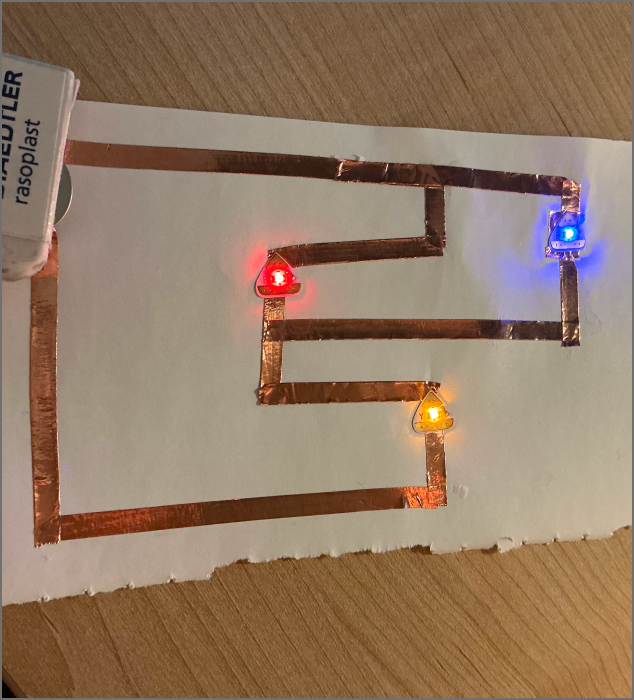
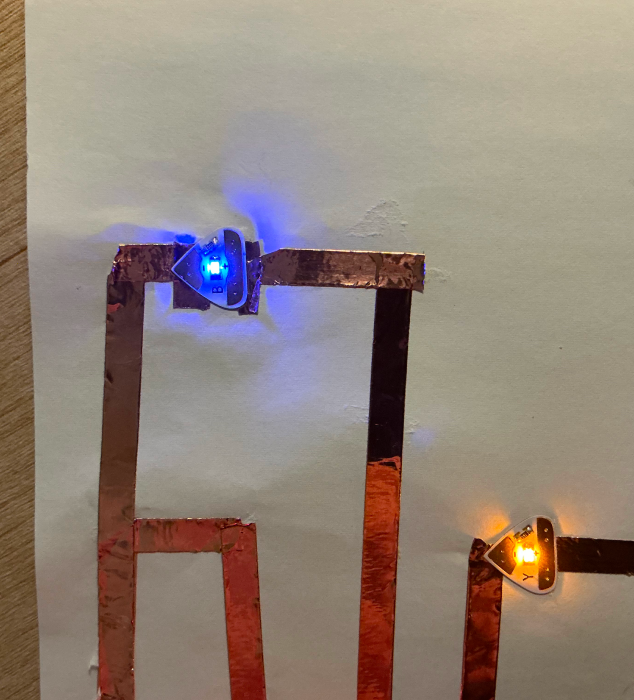
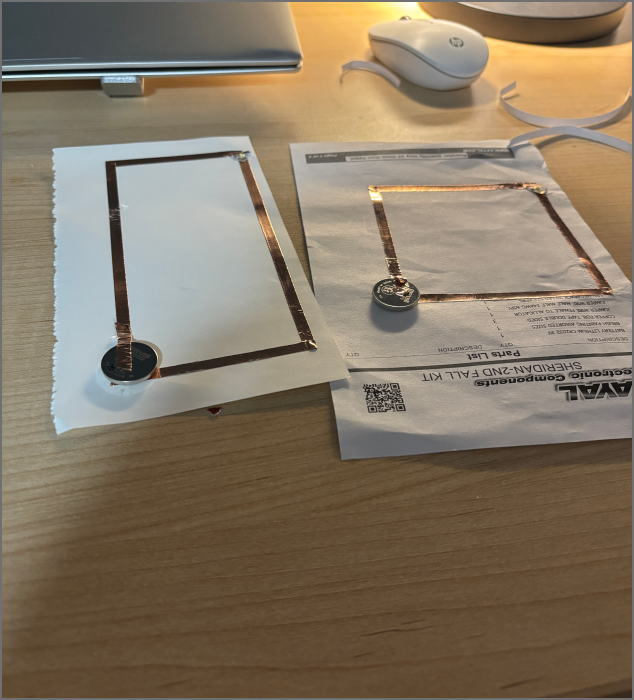
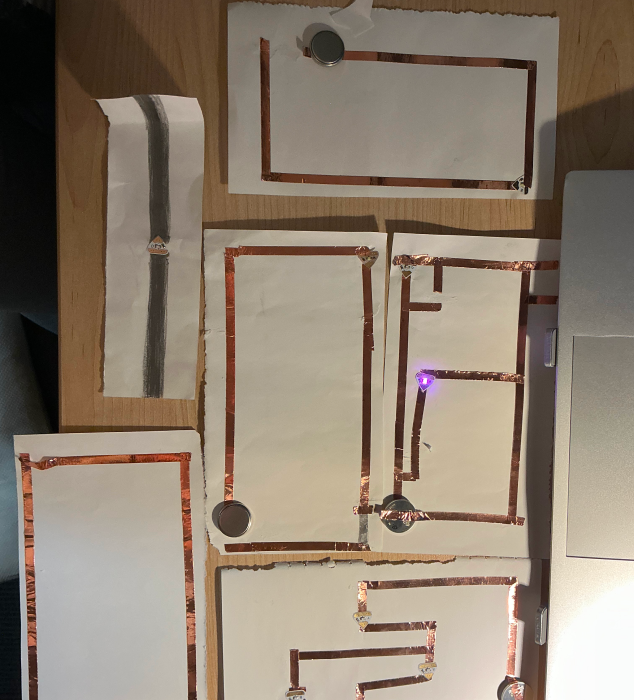
An unpowered paper circuit frame. A paper circuit powered on and lit up. A paper circuit with external jumper wires connected. A test circuit with external wiring. A circuit frame made of copper foil. Testing a circuit by pressing down on the battery. A partial view of a square-shaped paper circuit. Circuit lines drawn with graphite. A graphite circuit with LED components. A flexible circuit lit up while being bent. A flexible, bendable paper circuit. An unpowered paper circuit. A circuit lit with a purple LED. A circuit lit with dual-colored LEDs. Close-up detail of a paper circuit. A rectangular-shaped paper circuit frame. A rectangular circuit waiting to be powered. An unpowered circuit with two LEDs. An LED circuit powered by pressing. A close-up of a dual-colored LED circuit. An unpowered circuit with multiple branches. A circuit lit with three-colored LEDs. A close-up of blue and yellow LEDs in a circuit. Two separate circuits waiting for testing. A collection of various paper circuit works.

Activity 2
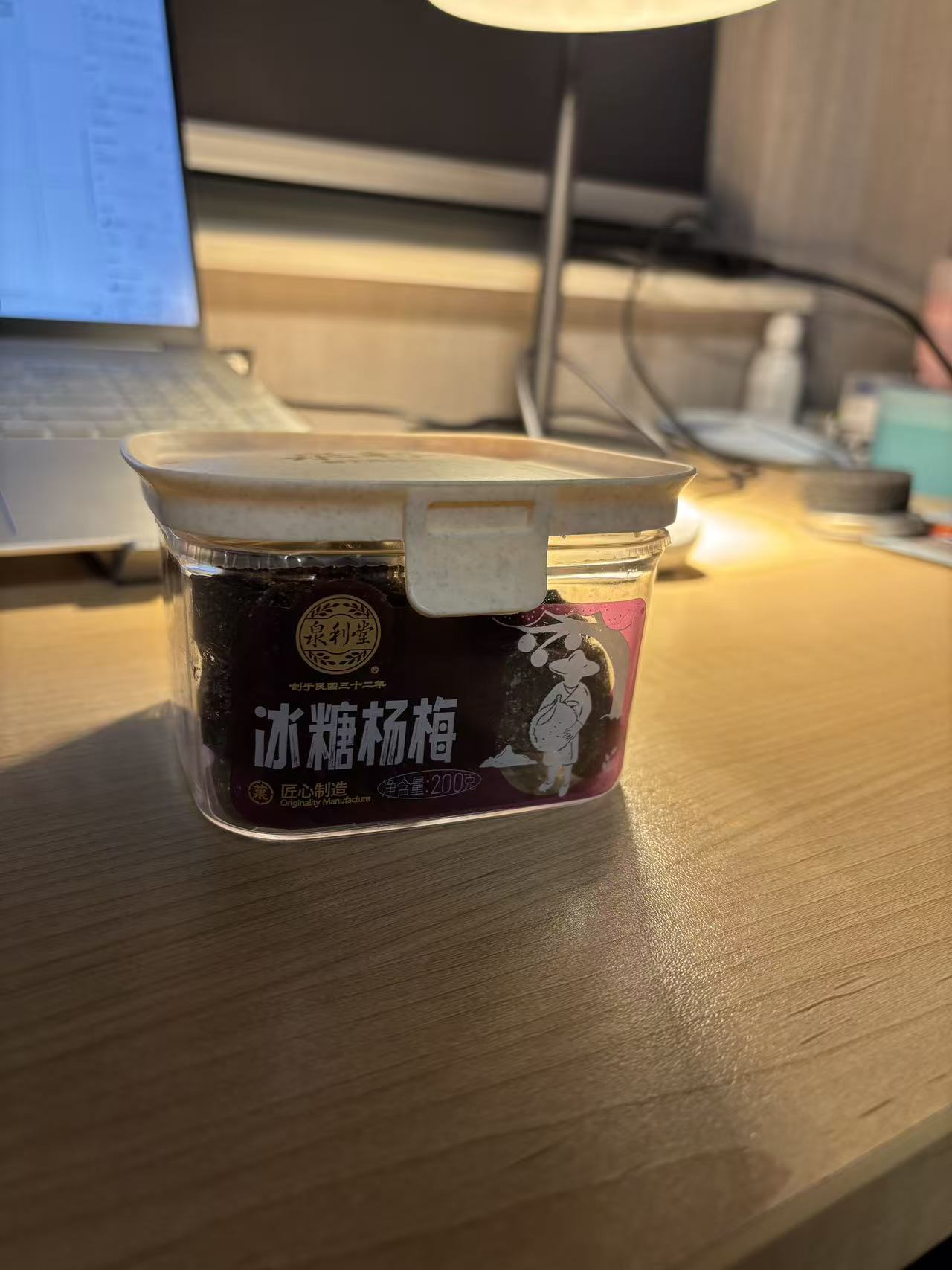
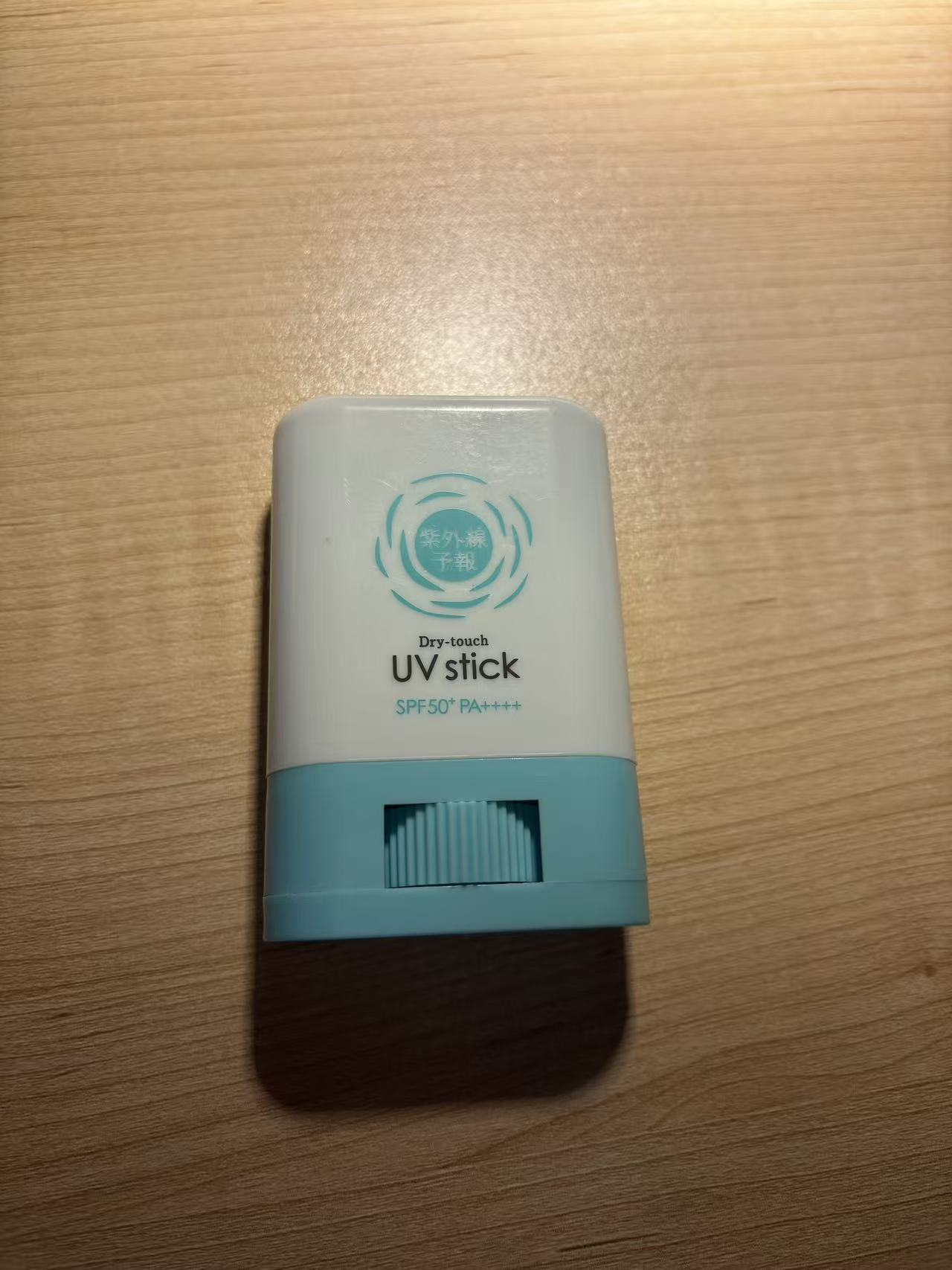
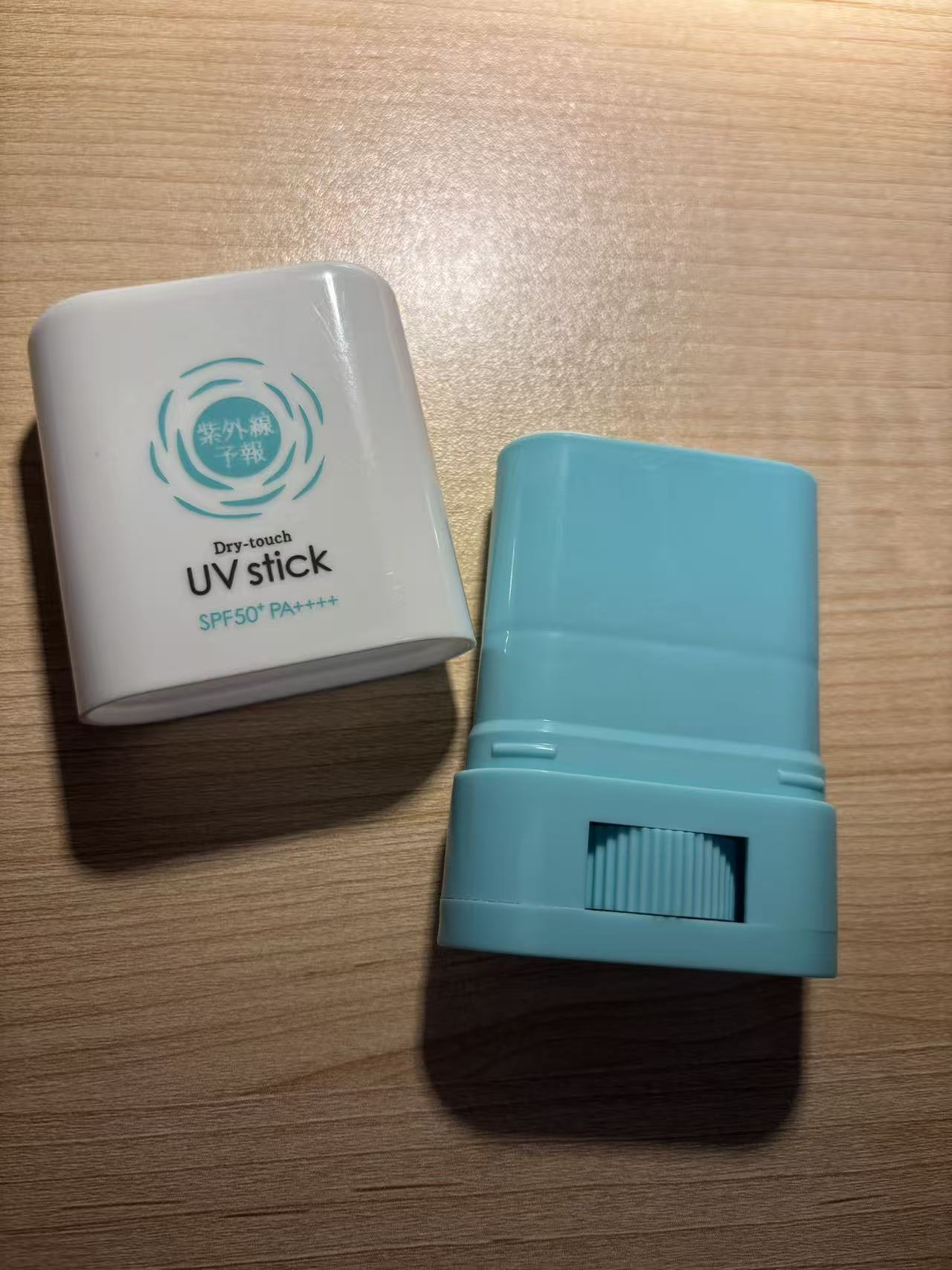
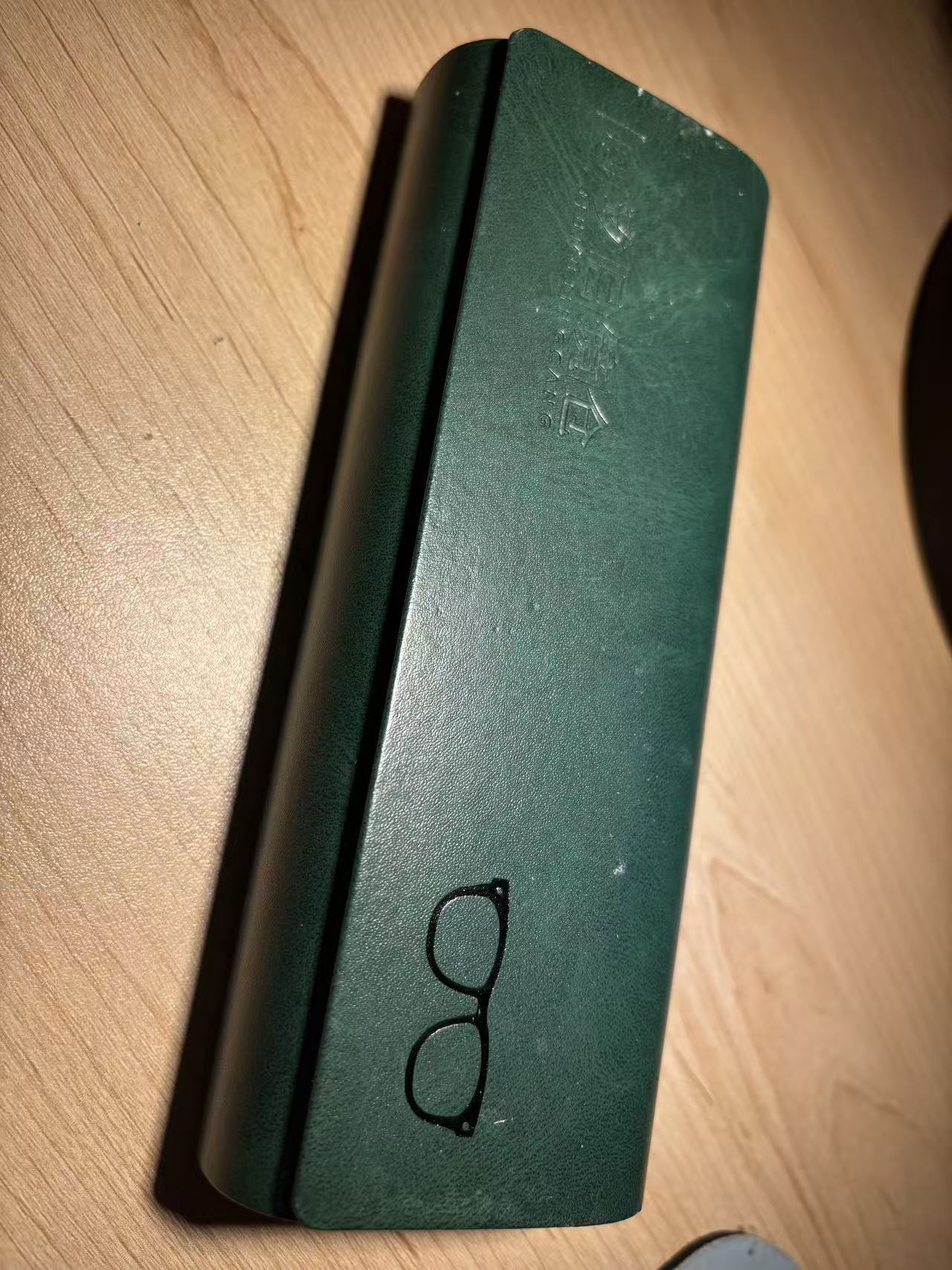
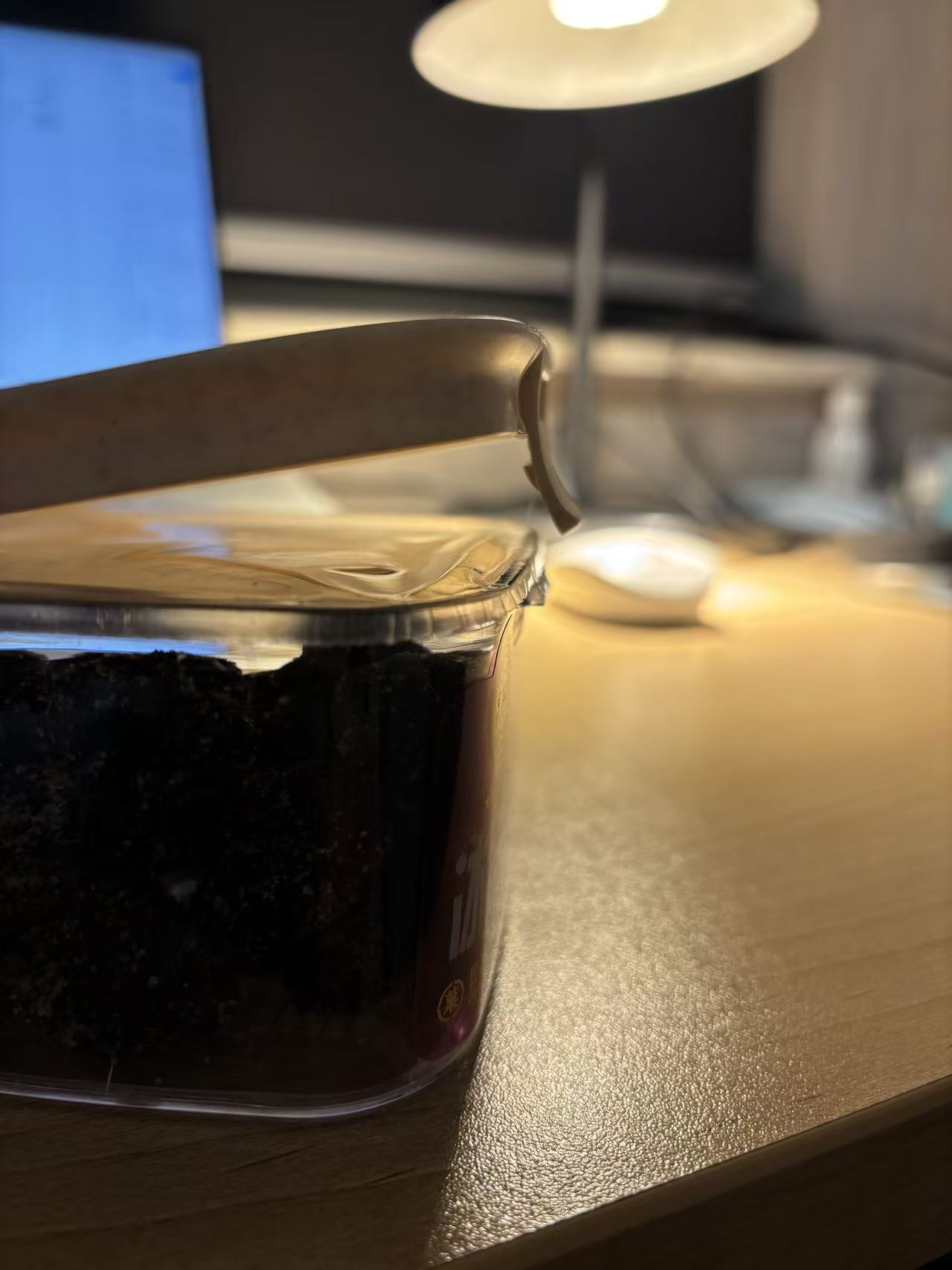
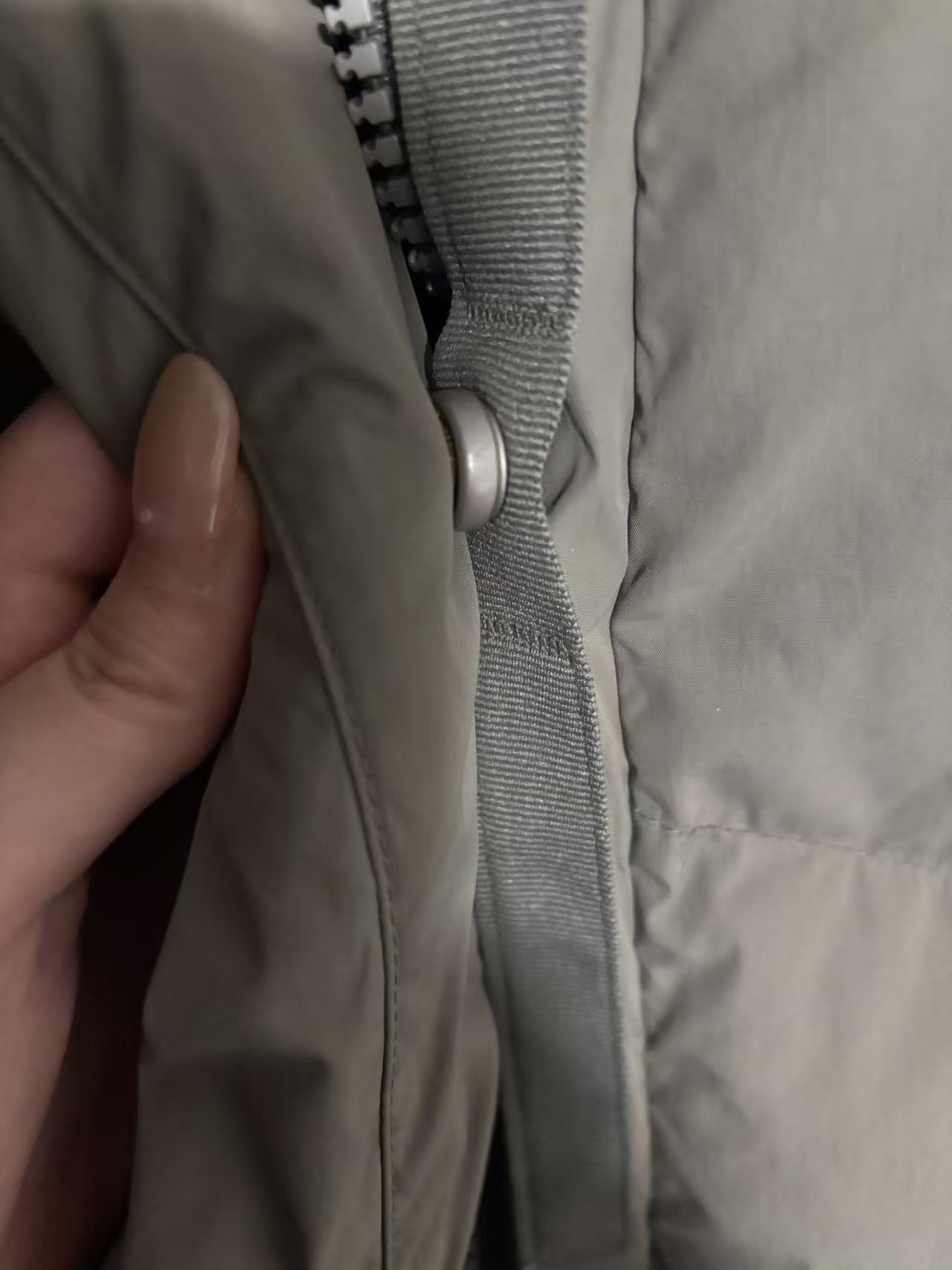
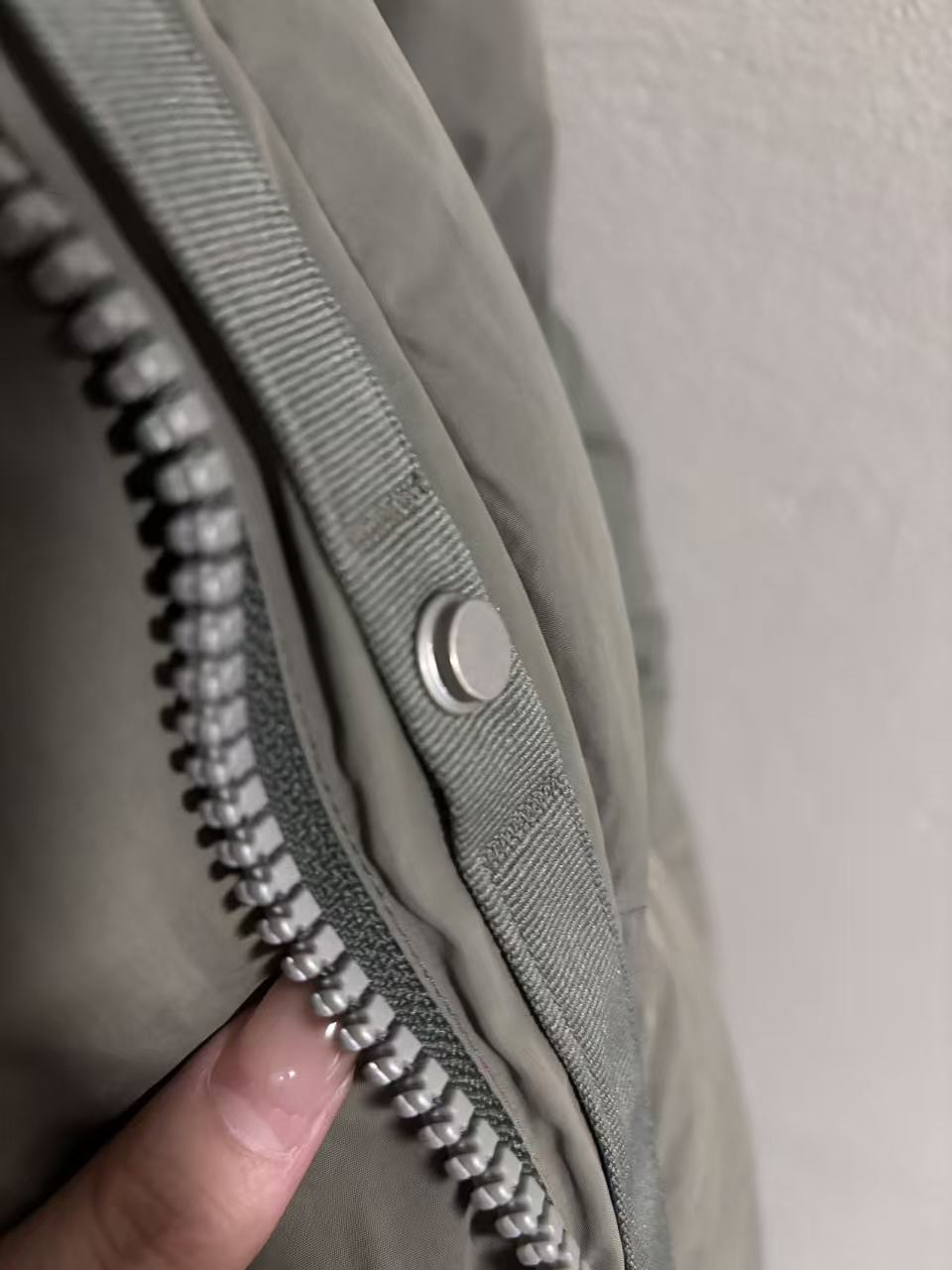
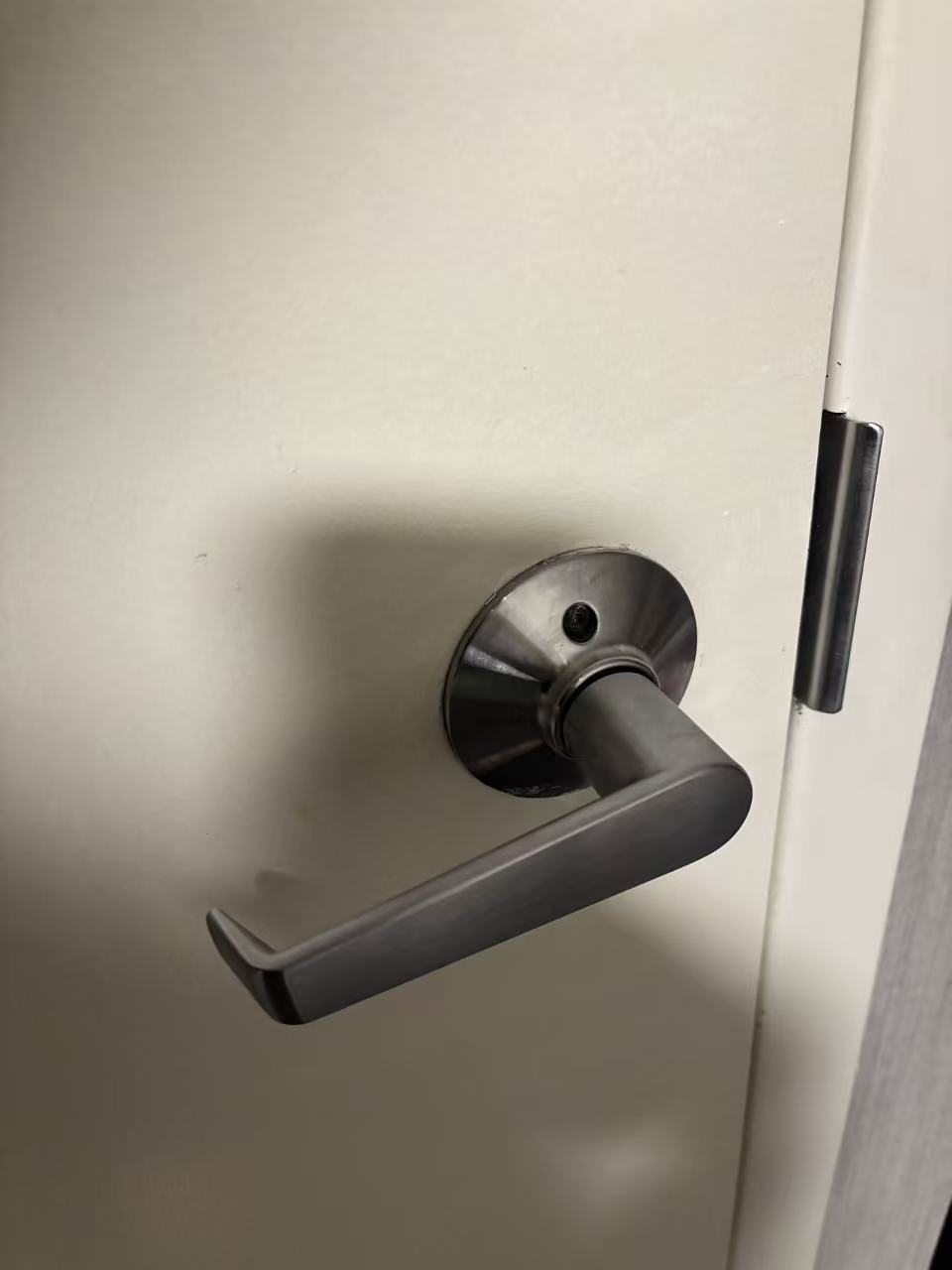
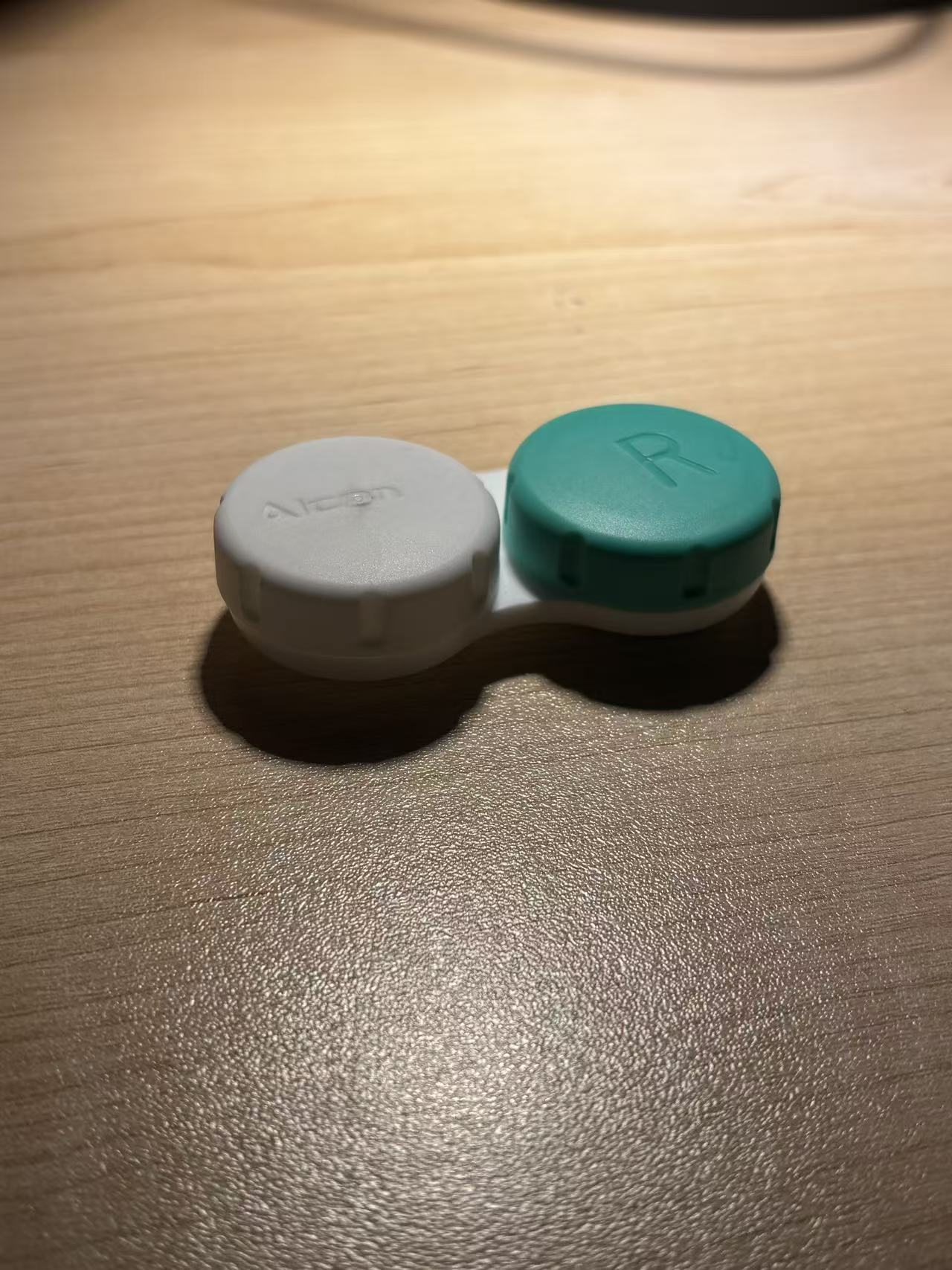
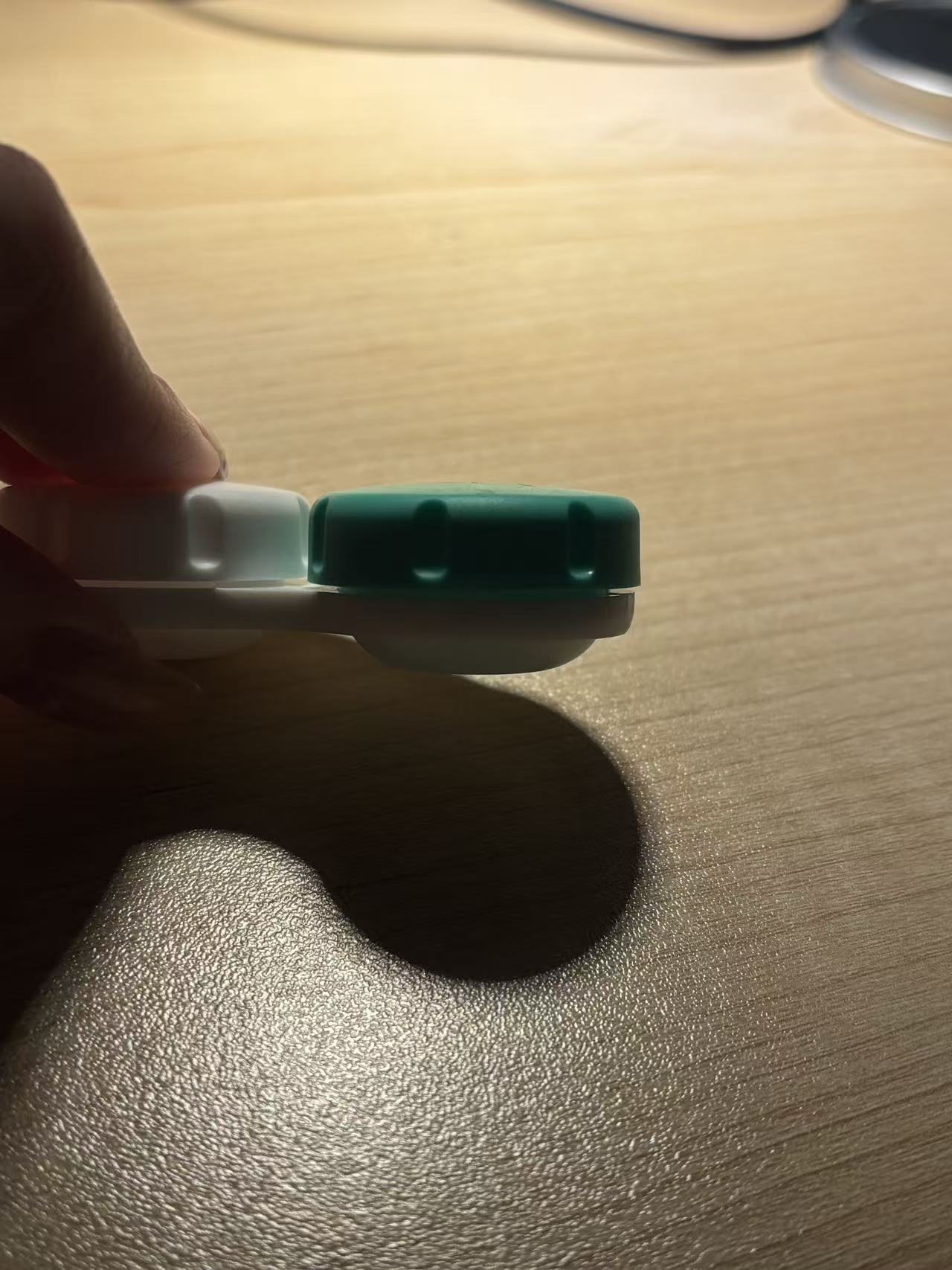
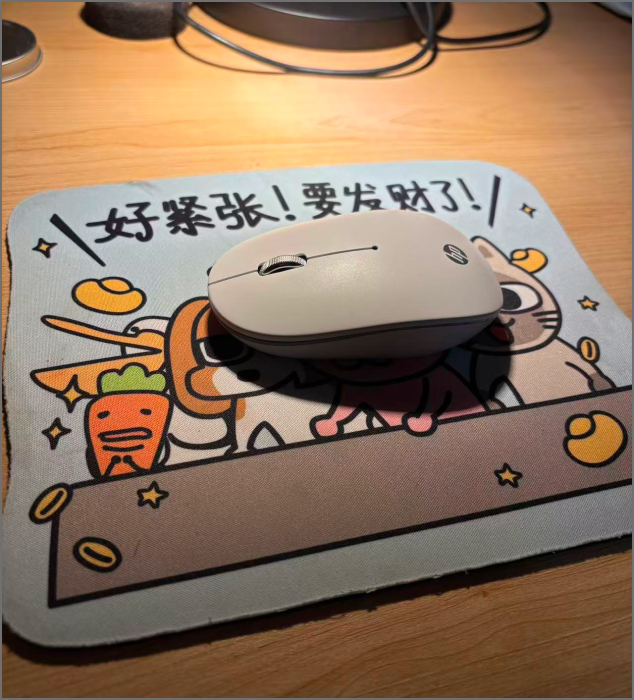
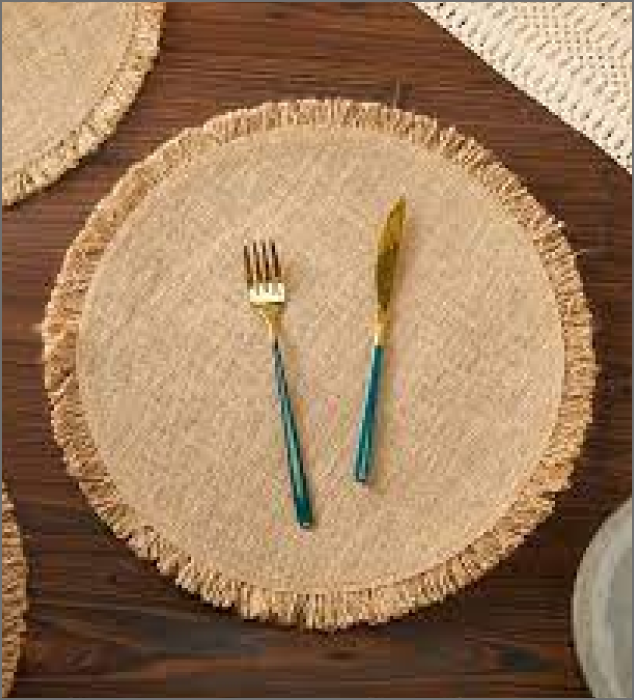
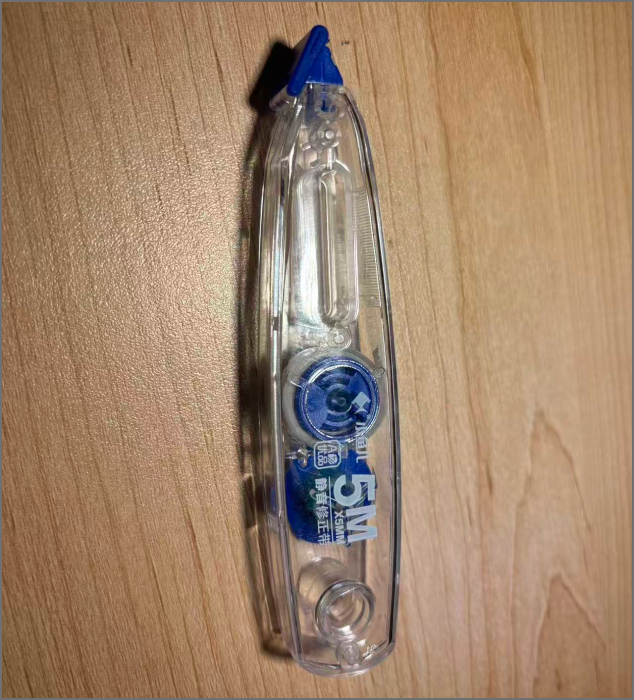
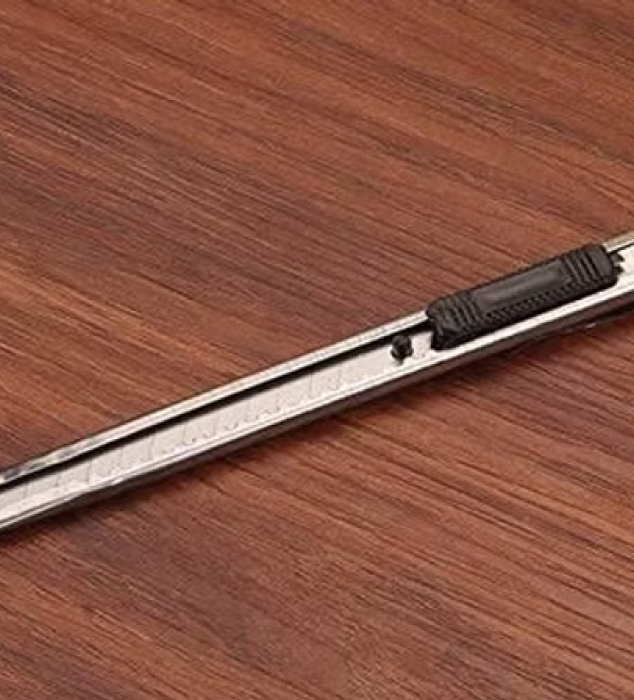
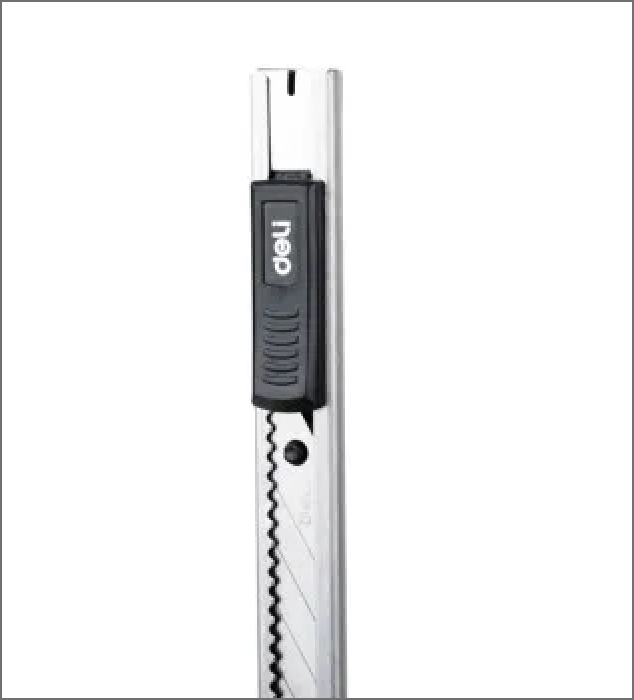
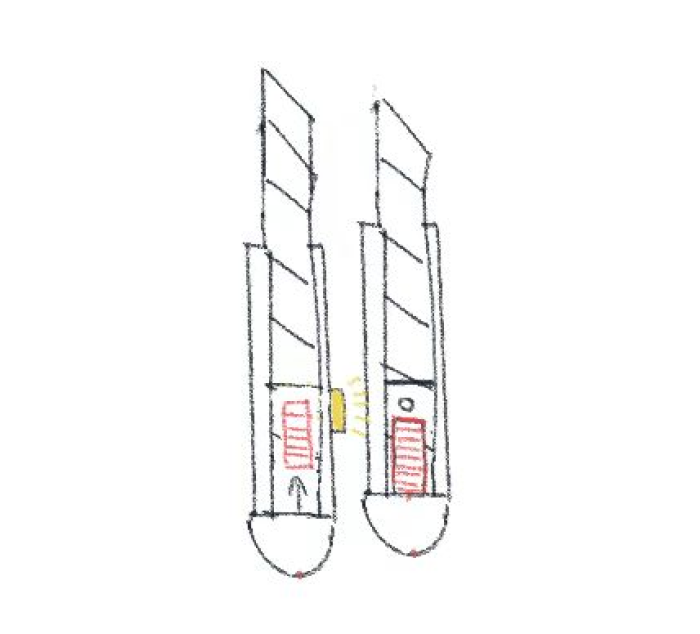
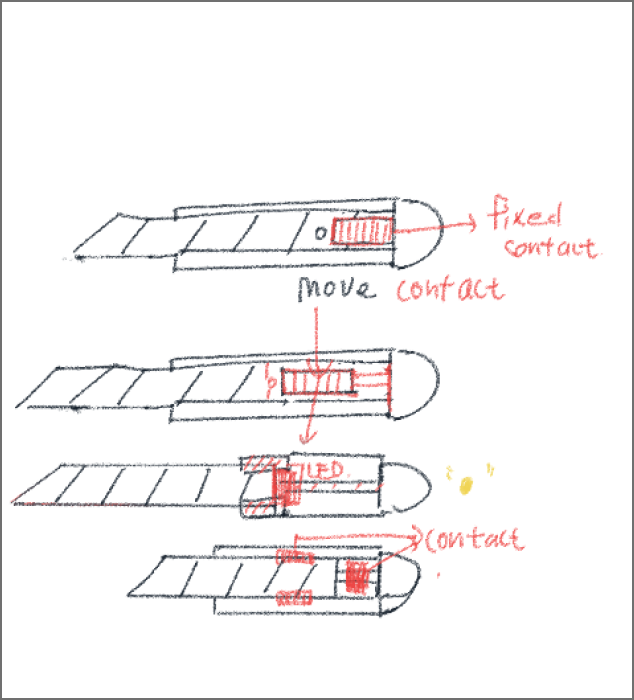
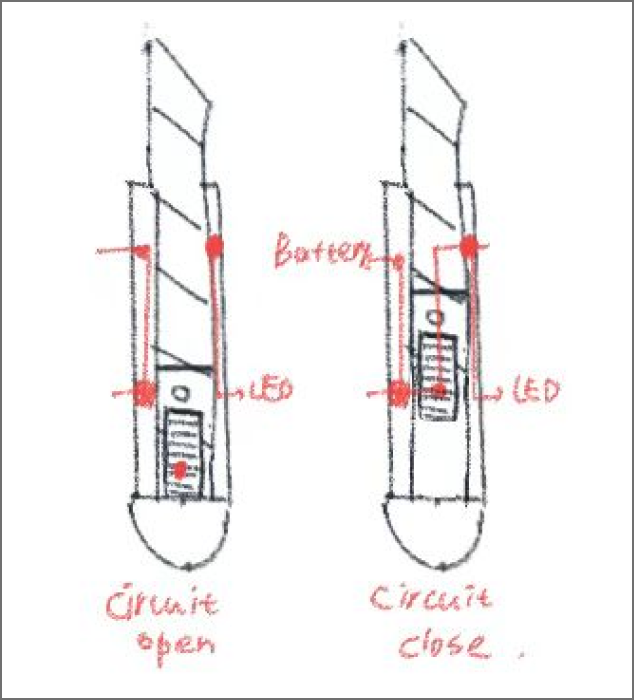
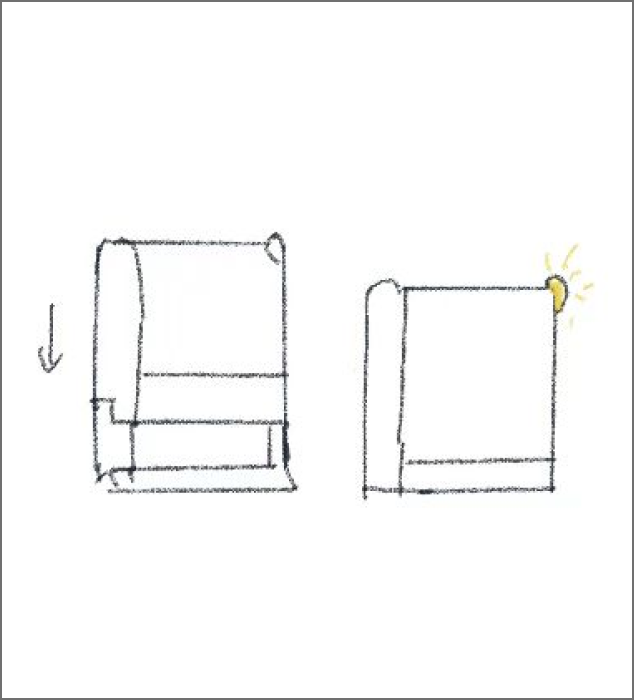
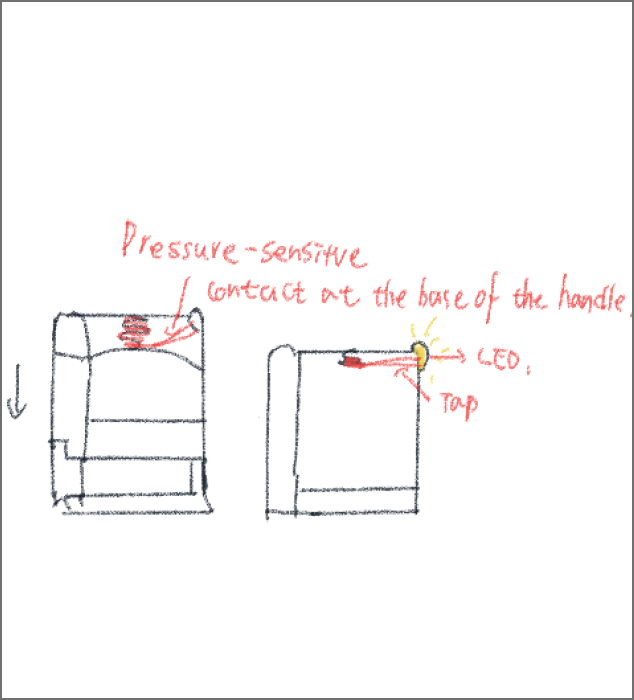
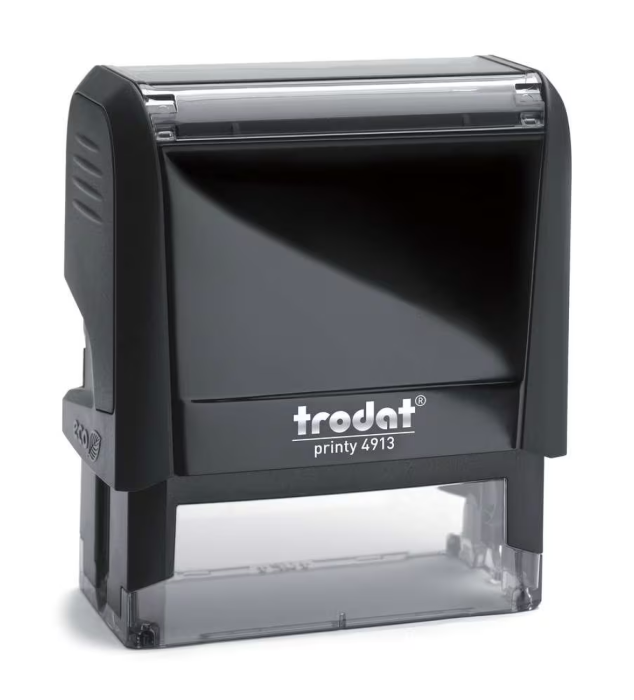
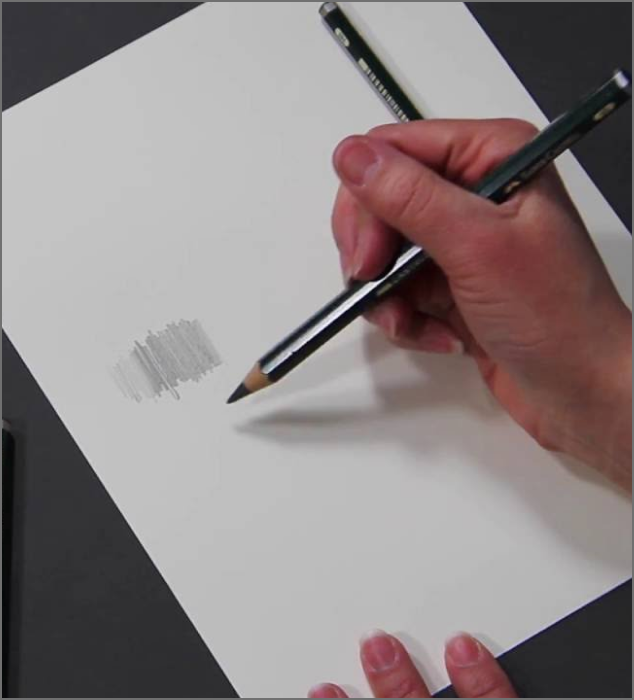
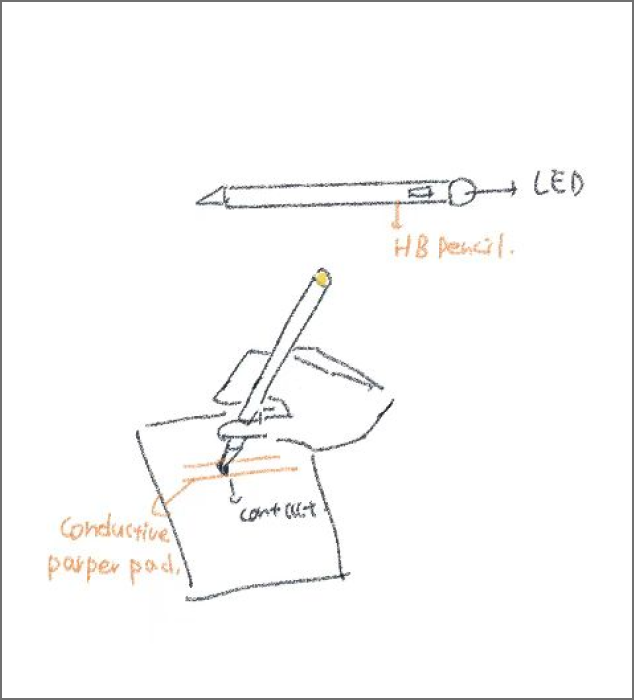
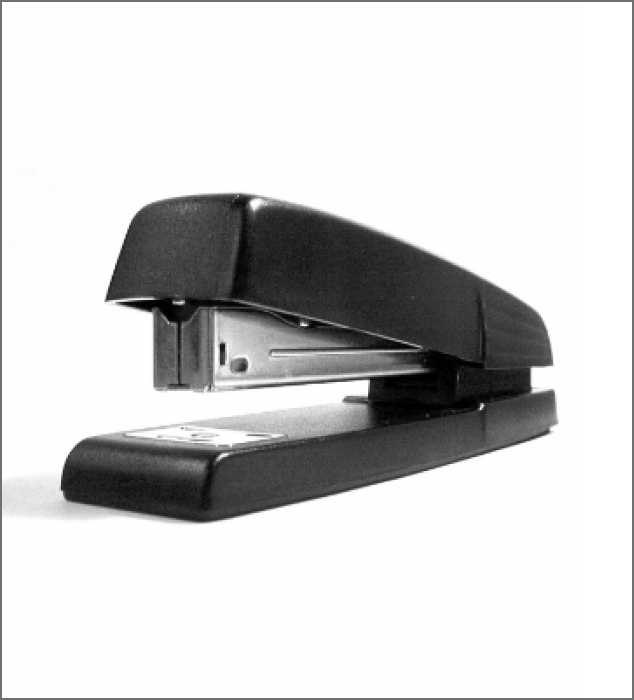
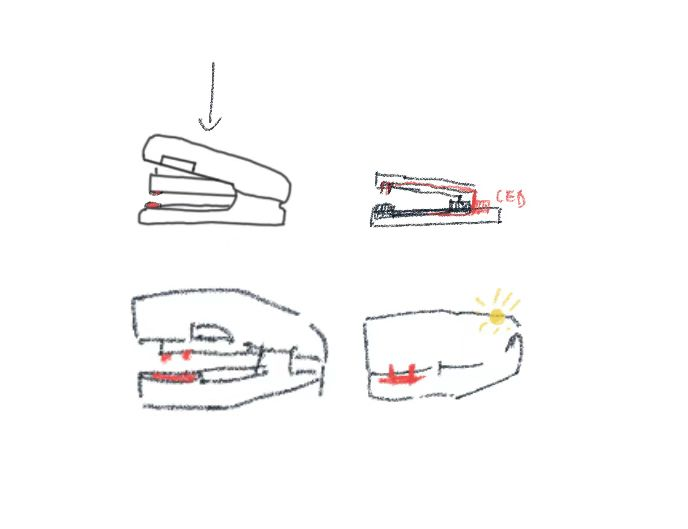
A twist-up sunscreen stick showing the retractable core. Disassembled components of a sunscreen stick. A leather glasses case with an eyewear pattern. A sealed container for candied bayberries with a buckle latch. A partially opened snack storage box. Fingers pulling a zipper on a jacket. Fingers fastening a snap button on a jacket. A metal door handle for an interior room door. A two-tone spliced contact lens case. A contact lens case being picked up by fingers. A cartoon mouse pad with a wireless mouse. A place mat with a knife and fork arrangement. A correction tape with a transparent casing. A physical retractable utility knife. A Deli brand utility knife. A sketch of the circuit structure for a utility knife. A sliding contact analysis diagram for a utility knife. A diagram showing the open and closed circuit states of a utility knife. An action sketch of a stamp mechanism. An analysis diagram of a pressure-triggered LED for a stamp. A Trodat brand self-inking stamp. A scene of a hand holding a pencil to draw. A sketch of interactive conductivity using a pencil. A black office stapler. An analysis diagram of an LED trigger for a stapler.

Project 1


Final Project 1 Design

Wearable Interactive Affordance Based Circuit

This project is about "Connection through Interaction.">

The Concept: I split a heart-shaped circuit of ten LEDs across two jackets. The heart only lights up completely when two people hug, symbolizing that we shine brightest when connected.

Interaction & Suitable For: The circuit is activated by a physical embrace. Magnets wrapped in conductive tape on the sleeves snap together, bridging the gap. This wearable is designed for couples, close friends, or family who want to express their bond through a glowing, visual symbol.


Non-Wearable Interactive Affordance Based Circuit

By embedding the heart-shaped LED boards directly into the fabric, I have transformed the clothing itself into an active interface where the act of dressing up prepares the wearer for a social connection.

Interaction: The Two-Step Activation. The interaction requires two specific steps: personal and social. First, the wearer must fasten their Shank Button, which brings the internal conductive tape into contact to close the personal circuit loop. Second, when two people embrace, magnets on their respective chest panels snap together, allowing the current to flow through both jackets and illuminate the full ten-LED heart.

This wearable is designed for individuals who value the intersection of fashion and technology. It targets couples or close friends who want a garment that responds to both their individual actions (buttoning) and their shared intimacy (hugging).

×

Powered by w3.css